



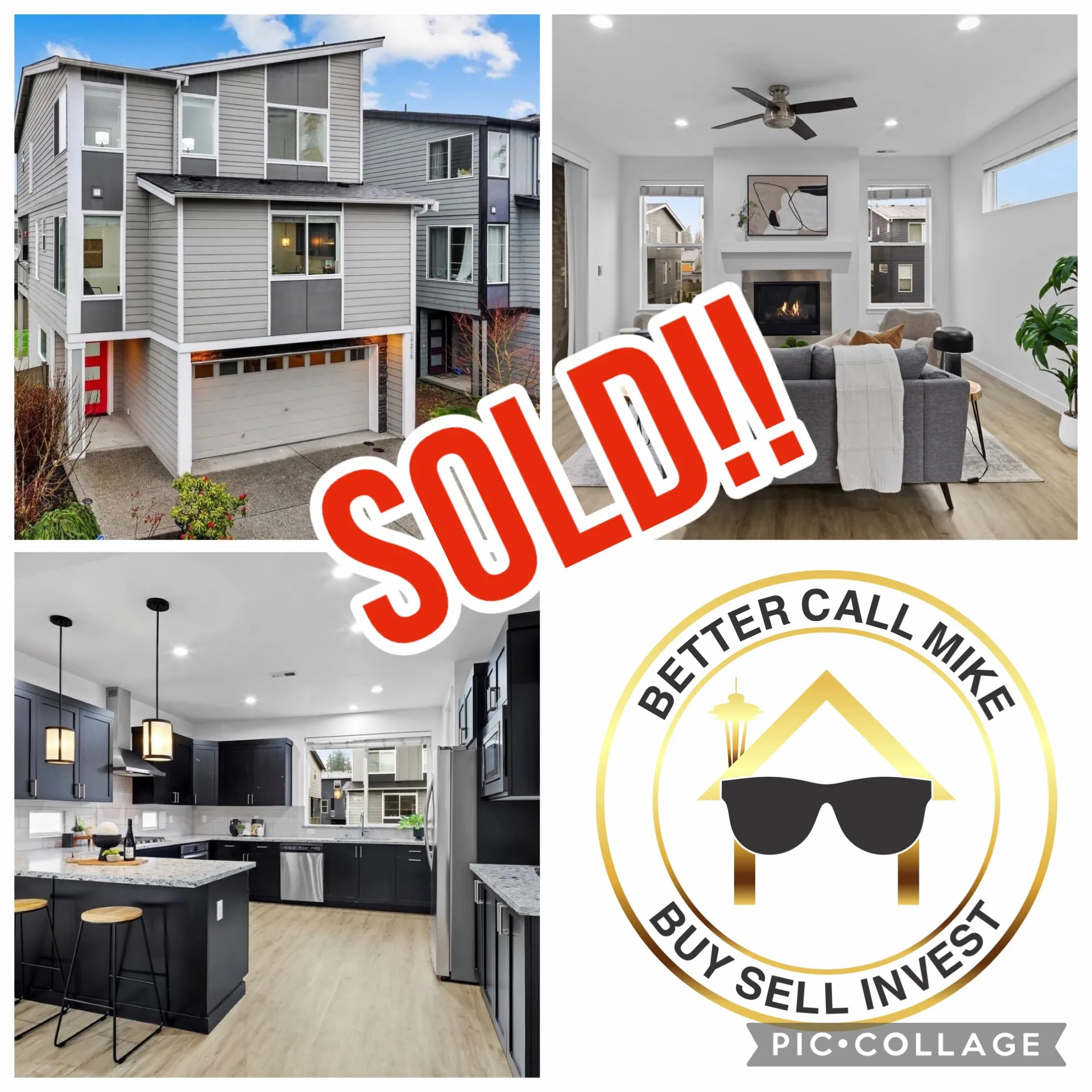
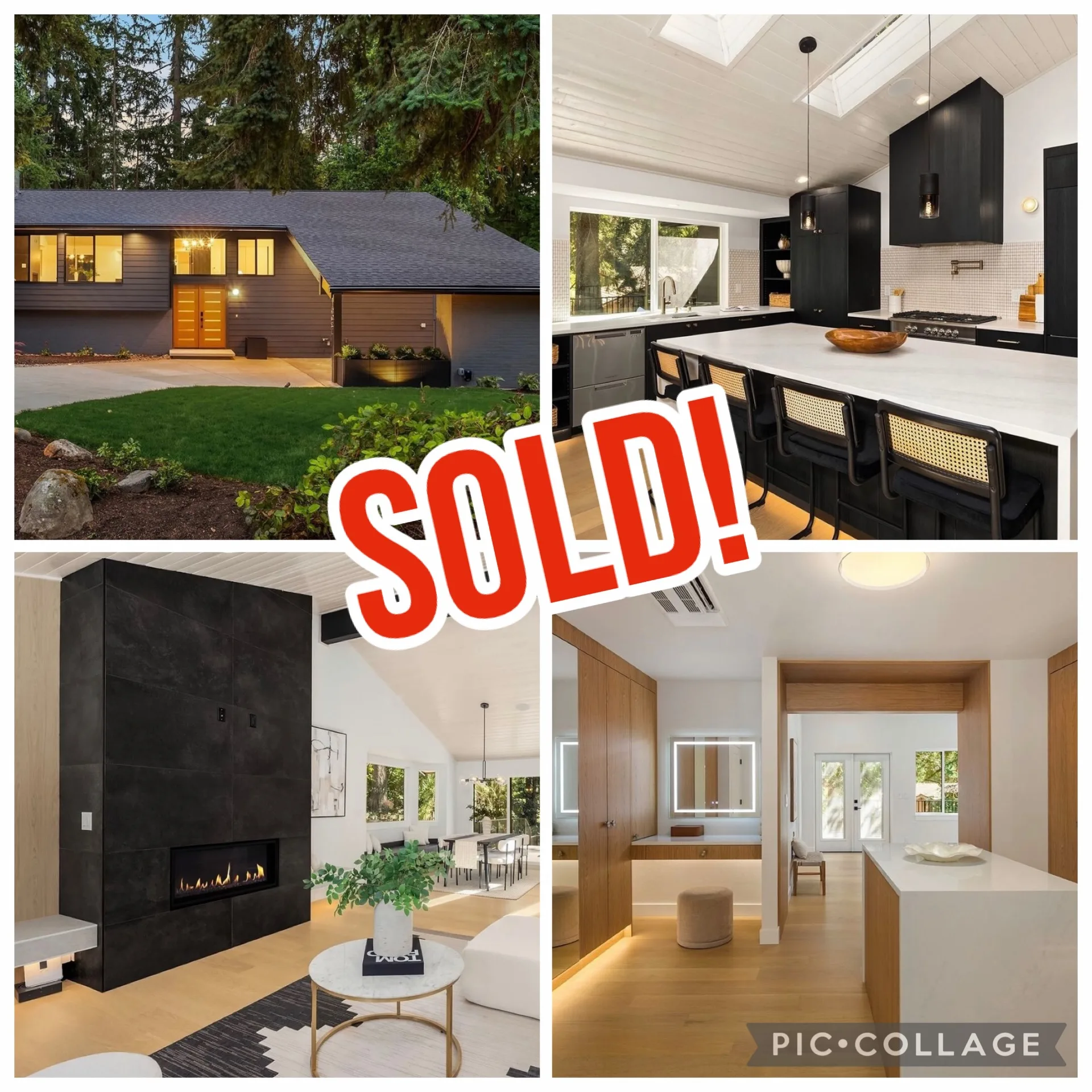

Market recap
Mortgage rates eased for a fourth straight week. Freddie Mac's November 12 survey put the 30-year fixed at 7.11%, down from 7.18% the week before, with the 15-year at 6.45%. That is the lowest 30-year reading in seven weeks, down from a 7.40% peak in mid-October.
In plain numbers: on an $850,000 home with 20% down, principal and interest runs about $4,574 a month at 7.11%, versus about $4,607 last week — roughly $33 less a month, and about $134 less than at the October peak. Helpful, but on its own it does not change the market.
The October numbers from NWMLS tell the bigger story. The Eastside's median residential sale price was $1.35 million, down nearly 13% from a year ago — the lowest Eastside median since February 2023. Seattle's median was $983,000, down about 6.4%. And buyers have the most choice in years: the Eastside is sitting at 4.5 months of inventory, its highest reading since January 2011, while Seattle is at 3.3 months. Closed sales in King County fell about 25% from last October.
The takeaway: the most buyer-friendly setup the Eastside has seen in a decade and a half — more choice, lower prices, rates easing off their peak. Buyers have real negotiating room right now, on price, on credits, on a rate buydown. Sellers should price for the market that exists today, not last spring's. One caution: the 10-year Treasury jumped to 5.10% on November 12 after a hot inflation report, so next week's reading could tick back up — a window like this is worth using while it is open.
News + my take: Seattle's newest councilmember wants to make building easier
In Seattle's only city council race this year, voters in District 5 — the city's northern neighborhoods, from Greenwood and Northgate to Lake City — elected Nilu Jenks over Julia Kang, about 59% to 41%. The Seattle Times called it November 5; results certify November 24. Jenks serves through the end of 2027.
Here is why it matters for housing: Jenks campaigned on building more of it. Her top priority is 1,000 new affordable units, and she promised looser zoning, faster permitting — a shot-clock on permits and pre-approved plan sets — and reform of the city's Mandatory Housing Affordability program.
The MHA program is the one to understand. Since 2019, nearly every new housing project in Seattle has had to set aside rent-controlled units or pay the city a fee of $11 to $50 per square foot. Those fees add up fast: one local couple paid $36,000 in MHA fees to redevelop their own home into a few units, and a four-townhome project faced $126,000. Meanwhile, only 509 new high-density unit applications have been filed in Seattle so far this year, according to the city's construction department. Another councilmember, Dionne Foster, has a plan to cut MHA fees by 80% for two years — but Mayor Katie Wilson put that pause on hold.
My take: the most interesting thing about this election is who is now saying "build more." Jenks ran as a progressive, and she won by arguing that the housing shortage is the problem and more supply is the fix. That is a shift worth noticing — supply is becoming common ground instead of a partisan fight. And she is right about the mechanics: fees and slow permits are a tax on new homes, and buyers and renters end up paying it. If the council follows through on the MHA pause and faster permits, more small projects — townhomes, fourplexes, cottages — start to pencil out, and that is exactly the middle housing our region is short on. Two caveats: a council vote is one thing and actual permits are another, and this is Seattle-only — but if it works there, expect Kirkland, Bothell, and Woodinville to hear the same argument soon.
What happened with Mike
A busy week on video. I finished the three-part series on Washington's millionaire tax — what it is, whether wealthy residents will actually leave, and what it could mean for Eastside luxury homes — with Parts 2 and 3 posting Tuesday and Wednesday. The first part was the week's best-performing post, and the series drew the most conversation of anything I have posted lately. I also posted the quote I keep coming back to — your list price doesn't set the value, it sets the traffic — and a carousel on the luxury design trends heading into 2027: warmer, more personal, more intentional homes.
On the listing side, my Kent home got a price adjustment to $550,000, signed Friday and live now. See the Kent listing → And my Lake Roesiger lakefront home is still available at $1,199,000 — I posted a fresh walkthrough reel on Saturday, and reverse offers went out last week to buyers who had shown interest before. One came back, and I have invited them to make an offer.
From my Instagram this week

Best-performing post of the week: Part 1 of the millionaire-tax series, posted November 9
I post local market numbers, neighborhood breakdowns, and plain-language takes on stories like the ones above every week over there — information first, no sales pitch.
Follow along → @piccoloproperties
#BetterCallMike


